

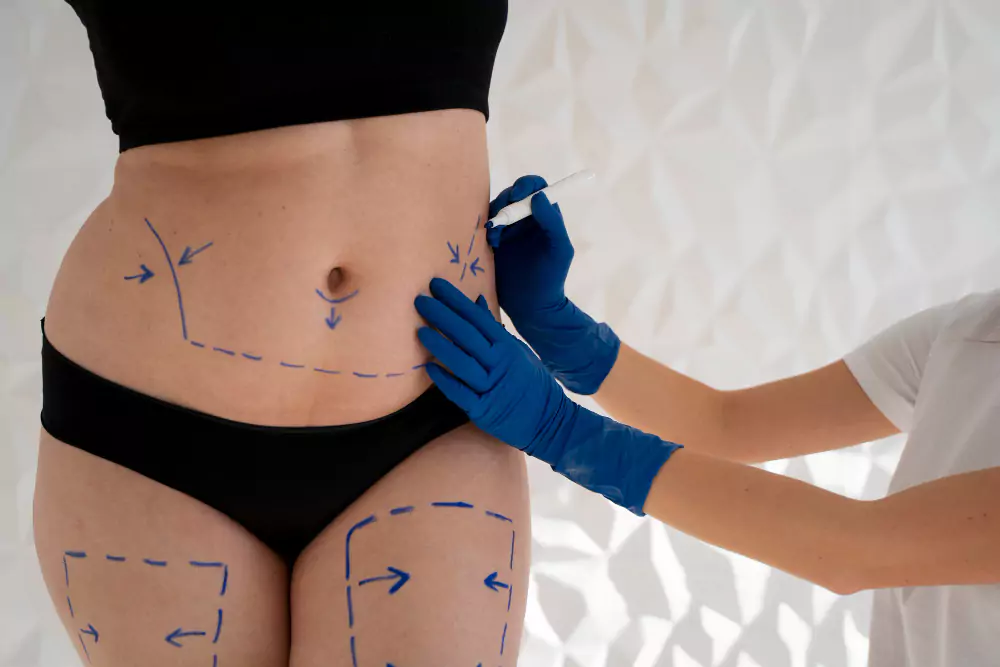
What is Post-Bariatric Surgery?
Post-bariatric surgery encompasses a range of body contouring procedures performed after substantial weight loss, typically following bariatric operations such as gastric bypass or sleeve gastrectomy. After shedding large amounts of weight, the skin and underlying tissues often lose their elasticity.
This results in excess skin that forms folds and simply cannot retract on its own. Post-bariatric surgery steps in to remove this surplus tissue, aiming to restore smoother, more natural contours. Beyond aesthetics, these procedures also alleviate functional issues such as chafing, skin irritation, and hygiene challenges that arise from redundant skin folds.
Common Procedures and Personalized Planning
These corrective procedures can include a variety of lifts, often targeting different areas of the body:
- Abdominoplasty (tummy tuck): To address excess skin and fat in the abdominal area.
- Brachioplasty (arm lift): To remove loose skin from the upper arms.
- Thigh lift: To tighten and reshape the thighs.
Lower body lift: A comprehensive procedure that addresses the abdomen, buttocks, and thighs.
Additionally, fat grafting may be used to balance volume where needed, ensuring a harmonious overall contour.
Because rapid weight loss can significantly compromise skin quality and soft-tissue support, a personalized treatment plan is absolutely essential. A thorough preoperative evaluation of the patient’s nutritional status, overall health, and tissue laxity guides the sequence and extent of these surgeries.
Post-Bariatric Surgery in Turkey
Patients increasingly choose Turkey for their post-bariatric surgical needs due to a compelling combination of factors:
- Experienced Surgical Teams: Turkish plastic surgeons are highly experienced in complex body contouring procedures, having honed their skills with a large volume of international patients.
- Modern Facilities: Clinics and hospitals across Turkey boast state-of-the-art medical facilities, often accredited to international standards, ensuring a high level of patient care and safety.
One of the primary reasons post-bariatric surgery in Turkey is so accessible is the favorable exchange rate and lower operating costs within the country. These economic factors allow clinics to offer multi-area procedures at prices that are often 40-60% below those in Western Europe or North America. Critically, this affordability does not come at the expense of quality or safety. Many Turkish medical facilities hold accreditation by international health bodies and adhere to European surgical guidelines, ensuring that patients receive high-standard care without compromise.
Why Is Post-Bariatric Surgery Needed?
Post-bariatric surgery is essential for removing excess skin and reshaping the body after substantial weight loss. When patients shed large amounts of weight—often more than 50% of their excess body mass—the skin and underlying tissues simply lack the elasticity to retract fully. This leaves behind loose, hanging folds that can do more than just affect appearance.
This surplus tissue can actively impede movement and cause significant discomfort. Imagine trying to walk or exercise when skin folds rub against each other, leading to chafing, rashes, and even recurrent skin infections. These aren’t just minor annoyances; they are genuine functional issues that can severely impact daily life and hygiene.
Beyond the Physical: Psychological and Structural Benefits
Beyond the physical symptoms, loose skin can sadly undermine the psychological benefits of weight loss. After working so hard to transform their bodies, individuals might find themselves unable to fully appreciate their new contours. Clothing often fits poorly over redundant skin, making it difficult to find garments that lie smoothly and further impacting self-confidence. By sculpting the abdomen, arms, thighs, and other treated areas, post-bariatric surgery restores proportion, allowing patients to truly enjoy both the aesthetic and functional outcomes of their weight-loss journey.
Moreover, these procedures offer a crucial structural benefit: they help strengthen weakened abdominal and core muscles that may have separated or stretched significantly during massive weight reduction. Reattaching and tightening these muscle walls during procedures like abdominoplasty not only refines the waistline but also improves posture and reduces back pain. In this way, post-bariatric surgery supports better long-term musculoskeletal health as well as appearance.
Who Is a Candidate for Post-Bariatric Surgery?
Candidates for post-bariatric surgery are typically adults who have lost a significant amount of weight and, crucially, have maintained a stable body mass for at least six months. This period of stability is vital. It ensures that the skin and underlying tissues have maximally retracted, reducing the risk of further changes in body shape after surgery. This stability is key for predictable and long-lasting outcomes.
Ideal candidates also generally meet specific health criteria:
- BMI (Body Mass Index) below 30 kg/m²: This indicates that they no longer meet the criteria for initial bariatric intervention (which often requires a higher BMI).
- Good Overall Health: They should be free from uncontrolled chronic conditions such as diabetes or heart disease. Any existing medical conditions must be well-managed to minimize surgical risks and ensure a smooth recovery.
- Good Nutritional Status: Maintaining good nutritional status and a balanced diet is paramount. Adequate protein and micronutrient levels are crucial for supporting proper wound healing and achieving successful long-term results.
How Soon After Bariatric Surgery Can You Have Body Contouring?
By the time you reach the six- to twelve-month mark, your metabolism has typically settled, and any malabsorptive effects of the bariatric procedure have leveled off. At this point, most patients exhibit the maximal skin laxity, which allows the surgeon to precisely plan excisions for the best aesthetic outcome.
Preoperative assessments of your protein levels, vitamin status, and overall health are also more accurate and predictive of a smooth recovery at this stage, as any deficiencies will have become apparent and can be corrected beforehand. This meticulous timing ensures that you’re in the best possible condition for surgery and a successful recovery.
Which Areas Can Be Treated?
The areas that commonly retain redundant folds—such as the abdomen, arms, thighs, breasts, and back—can all be sculpted to restore smoother, more natural contours.
- Abdominal Tightening: This often begins with abdominoplasty (tummy tuck), which removes loose skin from the lower belly. Crucially, it can also repair separated abdominal muscles, strengthening your core and improving your posture.
- Arm and Thigh Reshaping: Similarly, arm lifts (brachioplasty) and thigh lifts reshape the upper arms and inner or outer thighs. These procedures involve excising sagging tissue and tightening the remaining skin, helping you feel more comfortable in clothing and during active pursuits.
- Upper-Body Treatments: For the upper body, treatments extend to the breasts and back. Mastopexy (breast lift) addresses breast droop, while bra line back lifts eliminate fullness and rolls beneath the bra strap, creating a smoother back profile.
- Lower Body Refinement: In the lower body, procedures like belt lipectomies and buttock lifts refine the waist-to-hip transition. These comprehensive lifts smooth out the flanks and tighten the lower back, creating balanced proportions from every angle.
Through these targeted procedures, post-bariatric surgery helps you achieve a more proportionate and comfortable body, allowing you to fully embrace the results of your weight-loss journey.
What to Expect During Post-Bariatric Surgery
When undergoing post-bariatric surgery, you can expect a carefully coordinated journey — from thorough preparation to gradual recovery.
Before Surgery: Meticulous Preparation
Even before you enter the operating room, your care team will conduct detailed evaluations of your nutritional status, overall health, and skin quality. This meticulous assessment is crucial for tailoring the procedure to your unique needs. These assessments help ensure that any vitamin or protein deficiencies are corrected ahead of time, setting the stage for smoother healing and more predictable results. This proactive approach significantly enhances the safety and success of your surgery.
On the Day of Surgery: The Procedure Itself
On the day of surgery, you will receive general anesthesia to ensure your comfort throughout the procedure. You’ll spend several hours in the operating suite as your surgeon meticulously removes excess skin and reshapes underlying tissues. The exact duration of the surgery depends on how many areas are being treated – whether it’s your abdomen, arms, thighs, or back – but most multi-area contouring cases last between three and six hours. Small drains may be placed under the skin to prevent fluid buildup, and your incisions will be closed in layers to minimize tension and scarring, promoting optimal aesthetic outcomes.
After Surgery: Hospital Stay and Initial Recovery
Following the procedure, expect to remain in the hospital for one to three days. During this time, nurses will closely monitor your comfort, manage any pain, and remove or adjust any drains. You’ll be encouraged to begin gentle walking as soon as possible, which is vital for reducing the risk of blood clots and supporting lung function. Before you head home, a compression garment will be fitted. Wearing it consistently for four to six weeks is crucial, as it helps control swelling, supports your newly contoured areas, and aids in the healing process.
Post-Bariatric Surgery in Turkey Cost 2026
The cost of post-bariatric surgery in Turkey typically falls between $4,000 and $18,000 per surgical area as of 2026. This price range reflects the comprehensive nature of these procedures, which often involve addressing multiple areas of the body after significant weight loss.
