
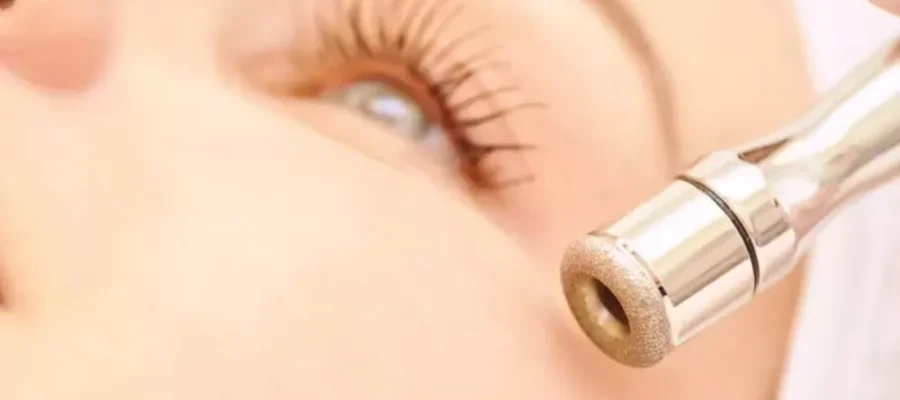
What is dermabrasion?
Irregularities, scars, and thickenings that develop on the skin’s surface over time may not always be resolved with skincare products alone. In such cases, treatments aimed at controlled skin renewal can be beneficial. Dermabrasion is a treatment method in which the upper layers of the skin are abraded in a controlled manner using special devices, and the formation of new skin is supported.
Which skin problems is this treatment preferred for?
Not every skin problem will be corrected with the same treatment. For superficial scars, uneven skin texture, and certain types of blemishes, methods that promote skin regeneration may be preferred. The scope of the treatment is planned according to the existing skin problem.
In many cases, dermabrasion can be used to help improve acne scars, superficial scars, skin irregularities, changes due to sun damage, and uneven skin texture.
For whom is this a suitable treatment option?
Individuals with noticeable texture irregularities in their skin who wish to achieve a smoother appearance may be considered for this procedure. However, different approaches may be necessary during periods of active infection, open wounds, or certain skin diseases.
Before the dermabrasion procedure, the skin type, existing skin problem, healing capacity, and overall health status are evaluated in detail.
How is the skin abrasion procedure performed?
During treatment, the problematic layer of skin is removed in a controlled manner, initiating a natural healing process that supports new skin formation. The depth of the procedure is adjusted according to the characteristics of the area to be treated.
In a planned dermabrasion procedure, the skin’s surface is renewed in a controlled manner using specialized devices. After the procedure, the skin can begin to repair itself and gain a more even appearance.
What should be considered before treatment?
Before the procedure, the overall condition of the skin should be carefully examined, and factors that may affect healing should be evaluated. Recent cosmetic procedures, medications used, and existing skin conditions may influence the treatment plan.
For a successful dermabrasion procedure, sun protection should be ensured before the treatment, and all current health information should be shared completely during the evaluation.
In which regions can the application be made?
The need for skin rejuvenation is not limited to the face. Some scars or tissue irregularities can also be found in different areas of the body. The area to be treated is determined according to the skin type and the purpose of the treatment.
Depending on the need, dermabrasion can be applied to the face, cheeks, forehead, chin, around the nose, and other skin areas as deemed appropriate.
Is it effective in reducing the appearance of acne scars?
Some scars left after acne can become permanent as depressions or irregularities on the skin’s surface. The degree of this appearance can vary depending on the individual’s skin type, and appropriate treatment can aim to reduce it.
For individuals with suitable skin types, dermabrasion can be considered one of the methods that can help to lighten the appearance of superficial and moderate acne scars.
What are its effects on scars?
Although scars fade over time after wound healing, they may remain noticeable in some individuals. The depth and structure of the scars are among the most important factors in determining the appropriate treatment method.
In suitable cases, dermabrasion can help reduce the appearance of some scars by making the skin surface more even. The changes achieved may vary depending on the scar structure and the skin’s healing capacity.
Its contribution to reducing fine lines and wrinkles.
As we age, the rate of skin renewal slows down, and the decrease in collagen can cause fine lines to become more prominent. This change may be seen earlier, especially in areas heavily exposed to sunlight.
In suitable individuals, dermabrasion can help reduce the appearance of fine lines and mild wrinkles by rejuvenating the skin’s surface. The effectiveness of the treatment may vary depending on skin type and degree of aging.
How does it play a role in reducing the appearance of blemishes?
Skin tone irregularities and superficial blemishes can become more pronounced over time. Sun damage, acne discoloration, and age spots are among the main causes affecting this appearance.
In cases where skin structure is suitable, dermabrasion can help reduce irregularities in the upper layer, making some superficial blemishes less noticeable.
Session Duration and Application Stages
The duration of treatment may vary depending on the size of the area to be treated and the extent of the skin problem. Before the procedure, the skin is cleansed, and then the planned area is treated in a controlled manner. Each stage is carefully planned according to the skin’s needs.
Generally, a dermabrasion session can be completed quickly, depending on the size of the area to be treated. After the procedure, the skin enters its natural healing process.
Post-operative Recovery Process
Following the procedure, the skin begins to regenerate, and during this period, temporary redness, sensitivity, or peeling may occur. These changes are a natural part of the skin’s repair mechanism and will lessen over time.
After the dermabrasion procedure, a new layer of skin forms in the treated area, but the healing process can vary depending on the individual’s skin type and the depth of the treatment.
How should skincare be done?
Skin becomes more sensitive to external factors during its regeneration phase. Therefore, it is important to avoid irritating products and maintain the skin’s moisture balance during the skincare process. Proper skincare practices support the healing process.
For healthier healing, consistently following the recommended cleansing and moisturizing routine after dermabrasion can help protect the skin.
The Importance of Sun Protection
The newly formed skin layer may be more sensitive to sunlight. Intense sun exposure during this period can cause discoloration and negatively impact the healing process. Protective measures are crucial for supporting the success of treatment.
During the healing period, it is recommended to support the dermabrasion treatment area with high-SPF sunscreens and protect it from direct sunlight as much as possible.
Differences Between Dermabrasion and Microdermabrasion
Although their names are similar, these two procedures do not have the same mechanism of action. Microdermabrasion offers a gentler rejuvenation process targeting the most superficial layer of the skin, while dermabrasion can target deeper layers. Therefore, their application areas, healing processes, and results differ.
When developing a treatment plan, dermabrasion may be considered as a different option from microdermabrasion, depending on the depth of the scars, the level of tissue irregularities, and the individual’s needs.
Which treatments can it be used in combination with?
In skin rejuvenation, a single method may not always be sufficient. In some cases, planning different treatments together can help to address the skin’s needs more comprehensively. When using combined approaches, the sequence and timing of the procedures are carefully determined.
Depending on the needs, dermabrasion can be combined with treatments for blemishes, collagen-producing applications, laser systems, or other skin rejuvenation methods. The decision regarding the combination is made taking into account skin type and treatment goals.
Dermabrasion Prices 2026
The cost of dermabrasion treatment is not the same for everyone. The size of the area to be treated, the depth of the skin problem, the number of sessions required, the scope of the procedure, and any additional treatments needed are among the main factors affecting the price. Therefore, it is not accurate to give a precise price without an examination.
Will crusting occur after the procedure?
Because the skin is regenerated in a controlled manner, a natural healing process begins after the procedure. During this process, redness, sensitivity, and thin scabs may occur. The formation of scabs is considered a normal part of the skin’s self-repair mechanism.
The scabs that form after dermabrasion should be allowed to fall off naturally; the skin should not be stressed, and interventions that could negatively affect the healing process should be avoided.
How long should one avoid sun exposure?
After the procedure, the newly formed skin layer becomes more sensitive to ultraviolet rays. During this period, intense sun exposure can cause skin discoloration and prolong the healing process. Sun protection is an important part of the treatment.
During the healing period, it is recommended to avoid exposing the treated area to direct sunlight and to regularly use high-SPF sunscreen when outdoors. The duration of protection may vary depending on the skin’s healing rate.
How many sessions are needed?
Since not all skin problems are of the same severity, the number of treatments required can also vary. The extent of scarring, skin type, and the desired level of improvement are among the main factors determining the treatment plan.
The number of dermabrasion sessions planned for the treatment is determined according to the individual’s skin type, the characteristics of the problem being treated, and the skin’s healing response. While a single treatment may be sufficient for some people, additional sessions may be planned in other cases.
What is the difference between dermabrasion and microdermabrasion?
Although both procedures are used for skin rejuvenation, their depth of effect is not the same. Microdermabrasion is a more superficial procedure applied to the uppermost layer of the skin, while dermabrasion can target deeper layers. Therefore, their areas of application, healing process, and expected results differ.
In treatment planning, dermabrasion is considered for more pronounced skin irregularities, acne scars, or certain types of scarring, while microdermabrasion may be preferred for milder, superficial skin problems.
Can this be done during the summer months?
Since sensitivity to sunlight may increase after skin rejuvenation treatments, seasonal conditions are taken into consideration when planning the application time. While it is entirely possible to have the procedure during the summer months, it is extremely important to strictly adhere to sun protection rules.
If dermabrasion is to be performed during the summer months, it is necessary to use sunscreen with a high protection factor, avoid prolonged direct sun exposure, and carefully protect the skin from ultraviolet rays.
Are the consequences permanent?
Although the improvement achieved after treatment can last for a long time, skin continues to regenerate and age throughout life. Sunlight, smoking, environmental factors, and skincare habits can all affect appearance over time.
The improvements achieved with properly planned dermabrasion can be permanent, but since the natural aging process continues, regular skin care and protection will help maintain the results for longer.