
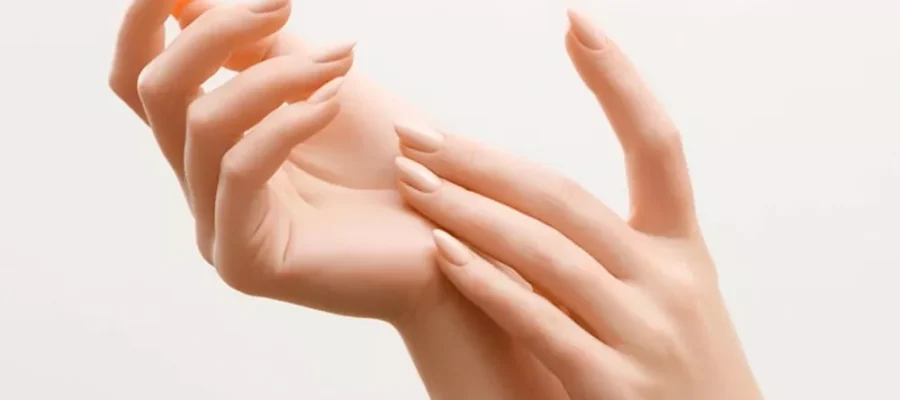
Hand Rejuvenation Surgery
Hand rejuvenation surgery addresses age-related volume loss on the backs of the hands, where thinning soft tissue can make veins, tendons and bones more visible. Fat transfer is one surgical option for restoring volume, while dermal fillers and skin treatments may be considered for different or additional concerns.
The hands are frequently exposed to sunlight and environmental conditions. Over time, changes in skin elasticity, pigmentation and underlying fat can create a thinner, more wrinkled appearance.
Treatment should distinguish between lost volume and changes affecting the skin surface. A personalized plan may address one or both, with the aim of improving contour and skin appearance while preserving natural hand proportions and movement.
What Is Hand Rejuvenation Surgery?
Hand rejuvenation surgery commonly involves transferring the patient’s own fat to areas of volume loss on the backs of the hands. This is called autologous fat grafting, fat transfer or lipofilling.
The broader term hand rejuvenation also includes nonsurgical treatments, such as dermal fillers, laser treatments and chemical peels.
These treatments address different features of aging. Fat transfer and fillers restore volume, while skin-focused procedures primarily target pigmentation, surface texture and selected wrinkles.
Common concerns include:
- Loss of fullness on the backs of the hands
- Increasingly visible veins and tendons
- Prominent bones and spaces between them
- Thin or crepey skin
- Wrinkles and uneven texture
- Sun-related pigmentation
- A noticeable difference between facial and hand appearance
The appropriate treatment depends on the underlying cause rather than age alone.
Why Do the Hands Show Signs of Aging?
Loss of Soft-Tissue Volume
The layer of fat beneath the skin can become thinner over time. As this coverage decreases, veins, tendons and bony structures become easier to see.
Some people naturally have less soft tissue in their hands. Genetics and weight changes can also influence how prominent these structures appear.
Changes in Skin Elasticity
Age-related changes in the skin can reduce firmness and elasticity. The backs of the hands may develop fine wrinkles, deeper creases or a crepey appearance.
Volume loss and skin changes often occur together, but they may need different treatments.
Sun Exposure
Repeated sun exposure contributes to uneven pigmentation, roughness and other signs of skin aging.
The hands may receive less consistent sun protection than the face, despite being exposed during many everyday activities.
Environmental Exposure and Skin Irritation
Frequent contact with irritating substances can contribute to dryness and damage to the skin barrier. Smoking can also affect skin health and healing.
These factors should not be confused with the deeper volume loss that occurs through aging or individual anatomy.
What Can Hand Rejuvenation Improve?
Loss of Volume
Fat transfer or an appropriate dermal filler can add volume where the soft-tissue layer has become thin.
Carefully distributed volume can create smoother transitions across the back of the hand without making it appear excessively full.
Prominent Veins
Veins may become more noticeable when the surrounding tissue thins. Volume restoration can soften their visibility by improving coverage.
This does not remove the veins or treat every vascular concern. New, painful or otherwise unusual vascular changes require medical assessment.
Visible Tendons and Bones
Restoring volume may reduce the prominence of tendons and bony contours.
The aim is not to conceal every normal anatomical feature. Treatment should preserve definition and normal movement.
Wrinkled or Crepey Skin
Volume restoration may soften wrinkles associated with tissue loss. However, surface damage or significant textural changes may require additional skin treatment.
Pigmentation and Sun Damage
Selected laser, light-based or topical treatments and chemical peels may improve certain pigmentation concerns.
Pigmented spots should be assessed before cosmetic treatment, particularly if they are new, changing or otherwise unusual.
Autologous Fat Grafting for Hand Rejuvenation
Autologous fat grafting uses the patient’s own fat to restore volume. A small amount is collected from a suitable donor area, processed and transferred to the hands.
Potential donor areas include the abdomen, flanks or thighs, depending on available tissue and the treatment plan.
Fat is placed in small amounts to create an even contour. The technique requires detailed knowledge of hand anatomy because important nerves, vessels and tendons lie close to the treatment area.
Some transferred fat is naturally reabsorbed. The amount that remains varies, and an additional session may be considered after the result has stabilized.
How Is Hand Fat Transfer Performed?
1. Consultation and Examination
The surgeon assesses the degree of volume loss, skin quality, pigmentation, vein visibility and differences between the hands.
If fat transfer is suitable, potential donor areas are also examined.
Medical history, medications, allergies, previous procedures and any circulation, sensation or movement concerns should be discussed.
2. Anesthesia Planning
Local anesthesia, sometimes with sedation, may be appropriate for an isolated procedure. The plan can differ when hand treatment is combined with other surgery.
The anesthesia approach is selected according to the procedure, medical history and individual needs.
3. Fat Collection
A small amount of fat is collected from the selected donor area using a suitable harvesting technique.
Although the required volume may be limited, the donor site also needs postoperative care and can develop bruising, swelling or tenderness.
4. Fat Preparation and Transfer
The collected tissue is processed before being placed into the hands.
Small quantities are distributed through carefully planned access points and tissue planes. The aim is a smooth layer of coverage rather than excessive filling.
5. Postoperative Care
The treated areas are assessed, and instructions are provided for both the hands and donor site.
Fat transfer is often performed as an outpatient procedure, although discharge arrangements depend on the overall treatment plan.
Is Fat Transfer the Same as Stem Cell Treatment?
Standard fat grafting transfers the patient’s own fatty tissue. It should not automatically be described as a separate stem cell treatment.
Terms such as “stem cell-enriched fat” can refer to additional processing methods and should be explained precisely if proposed.
Patients should understand the actual technique, the evidence supporting it and any additional risks. Claims that cell enrichment guarantees skin regeneration, superior fat survival or better results should not be assumed.
The principal purpose of conventional hand fat transfer is to restore soft-tissue volume.
Fat Grafting or Dermal Fillers for Hands?
Both approaches can address volume loss, but they differ in treatment requirements and durability.
Fat Grafting
Fat transfer uses the patient’s own tissue and requires a donor site. Surviving fat may provide lasting volume, although retention is variable.
Recovery involves both the hands and the area used for harvesting. Further treatment may be needed if significant resorption or unevenness remains.
Dermal Fillers
Dermal fillers do not require fat harvesting and may be suitable for patients who prefer a nonsurgical approach.
Materials used in hand rejuvenation include selected hyaluronic acid and calcium hydroxylapatite products. Other materials have also been studied, but suitability and approved uses vary by product and location.
Results and maintenance requirements depend on the product. Injectable treatments still carry risks and require appropriate anatomical expertise.
Choosing Between Them
The decision considers:
- The extent of volume loss
- Skin quality and thickness
- Availability of a suitable fat donor area
- Previous treatments
- Medical history
- Preferences regarding surgery and recovery
- Expected maintenance or additional sessions
Neither option is the best choice for every patient.
Skin Treatments for Aging Hands
Patients with pigmentation, roughness or superficial wrinkles may benefit from skin-focused treatment rather than volume restoration alone.
Laser and Light-Based Treatments
Selected lasers and intense pulsed light treatments may address specific pigmentation or skin-quality concerns.
The treatment must be matched to skin type, the nature of the pigmentation and the risk of adverse pigment changes.
Chemical Peels
Chemical peels create a controlled treatment of the skin surface. Depending on the formulation and depth, they may improve selected pigmentation and texture concerns.
Peel strength and aftercare should be individualized. These treatments do not replace lost fat beneath the skin.
Dermabrasion and Other Resurfacing Techniques
Mechanical resurfacing may be considered in selected cases. It involves controlled removal of superficial skin and requires careful assessment of healing and scarring risks.
It is not appropriate for every skin type or every blemish.
Topical Care and Protection
Appropriate moisturization, sun protection and protective gloves when handling irritating substances can support skin care.
These measures help manage dryness and environmental exposure but do not restore substantial lost volume.
Who May Be Suitable for Hand Rejuvenation?
Adults with persistent concerns about hand appearance may consider assessment.
Potential candidates may have:
- Noticeable volume loss
- Prominent tendons or veins associated with thin tissue coverage
- Thin or crepey skin
- Wrinkles
- Sun-related pigmentation
- Uneven skin texture
- Realistic expectations about improvement and maintenance
Age alone does not determine suitability. Younger adults may have naturally thin hands, while some older patients have relatively preserved volume.
Active skin disease, infection, circulation problems or other medical concerns may affect treatment choice or require assessment before cosmetic procedures.
Consultation and Individual Treatment Planning
The consultation should identify whether the main concern is lost volume, skin texture, pigmentation or a combination.
The assessment may consider:
- Soft-tissue thickness and fat distribution
- Vein and tendon visibility
- Skin elasticity and pigmentation
- Existing scars
- Hand movement and sensation
- Differences between the hands
- Previous filler or surgical treatment
- Medical conditions, medications and allergies
- Donor-site suitability for fat transfer
A treatment plan should explain likely improvements, limitations, recovery and possible additional sessions.
The hands should retain their natural structure and function. Conservative correction may be preferable to trying to eliminate every visible vein, tendon or wrinkle.
Can Hand Rejuvenation Be Combined with Facial Rejuvenation?
Hand treatment may be considered alongside facial rejuvenation when the patient wishes to address changes in both areas.
Fat transfer may sometimes be coordinated with another planned operation. However, combining treatments depends on medical suitability, operating time and the overall recovery requirements.
The hands require their own assessment. A facial procedure does not automatically mean that hand surgery is needed.
What About Hand Changes After Burns or Injuries?
Scarring, tissue loss or restricted movement after burns, chemical injuries or trauma requires a separate reconstructive assessment.
Fat grafting may be considered in selected reconstructive situations, but these problems should not be treated as equivalent to routine age-related volume loss.
Treatment depends on the injury, skin condition, tissue support and hand function. Cosmetic volume restoration alone may not address the underlying problem.
Recovery After Hand Rejuvenation Surgery
Recovery varies with the technique and whether skin treatment is performed as well.
After fat transfer, patients may experience:
- Swelling and bruising
- Tenderness or sensitivity
- Temporary tightness
- Temporary altered sensation
- Discomfort with some hand movements
- Bruising or soreness at the donor site
Early swelling can make the hands look fuller than the eventual result. This should not be interpreted as the final volume.
Patients receive instructions about protecting the hands, caring for access sites and resuming activity.
Daily Activities and Work
Light activities may resume progressively according to symptoms and the surgical team’s advice.
Heavy gripping, lifting, repetitive manual work and activities that place pressure on the treated areas may require a longer restriction.
Return to work depends on the procedure and job requirements rather than a universal recovery period.
Recovery After Skin Resurfacing
Laser treatment, peels or dermabrasion may cause redness, peeling, crusting or sensitivity, depending on treatment depth.
Aftercare and healing time differ from those of volume restoration. Patients should avoid picking at healing skin and follow the prescribed care instructions.
When to Contact the Treating Team
Increasing pain, worsening redness, fever, unusual discharge or persistent sensory changes should be reported.
Severe pain, unexpected skin color changes or coldness in the fingers after an injectable procedure requires urgent assessment.
Is Hand Rejuvenation Painful?
Anesthesia or other comfort measures are selected according to the procedure.
Tenderness, swelling and discomfort can occur afterward. Fat harvesting may also cause soreness at the donor site.
Treatment should not be described as completely painless. The experience varies between patients, and pain management is discussed as part of postoperative care.
When Will the Results Be Visible?
An increase in volume may be visible soon after fat transfer or filler treatment. However, swelling can temporarily exaggerate fullness or create unevenness.
With fat grafting, the result changes as swelling settles and some transferred fat is reabsorbed. Assessment of retained volume requires time.
Skin treatments also develop progressively as the skin heals. The expected timetable depends on the technique and treatment depth.
How Long Does Hand Rejuvenation Last?
Longevity depends on the treatment.
Surviving transferred fat may provide lasting volume, but the amount retained differs between patients. Aging and weight changes can continue to affect the hands.
Dermal fillers generally require maintenance according to the product and individual response.
Pigmentation and other surface changes may recur with continued sun exposure. Skin treatments may therefore require ongoing care or repeat sessions.
No treatment permanently stops hand aging.
Will I Need More Than One Session?
Some patients obtain a satisfactory improvement from one treatment, while others need additional sessions.
After fat transfer, a further session may be considered if significant resorption occurs or residual volume loss remains.
Fillers may require maintenance, and skin-focused treatments are sometimes planned as a series.
The timing of any additional treatment should allow the previous result to settle and be assessed.
Risks and Possible Complications
Hand rejuvenation surgery and nonsurgical treatments carry different risks.
Potential complications of fat grafting include:
- Bleeding or hematoma
- Infection
- Prolonged swelling
- Contour irregularities or asymmetry
- Lumps, cysts or fat necrosis
- Partial fat resorption
- Changes in sensation
- Injury to underlying structures
- Donor-site contour changes or scarring
- The need for further treatment
Filler injections can cause swelling, bruising, lumps, inflammatory reactions or infection. Accidental vascular injection can compromise blood supply and damage tissue.
Skin resurfacing carries risks such as prolonged redness, pigment changes, infection, burns or scarring, depending on the technique.
Careful planning reduces risk but cannot eliminate it. The consent discussion should address the complications relevant to the chosen procedure.
Will Hand Fat Transfer Leave Scars?
Fat harvesting and transfer require small access points that may leave scars.
Their appearance depends on the technique, location and individual healing. The donor area may also have small scars from fat collection.
Although the marks may be limited, treatment should not be described as scar-free.
Natural-Looking Hand Rejuvenation Results
The aim is to soften the appearance of volume loss while preserving normal hand anatomy.
Some visible veins, tendons and bony definition are natural. Removing every sign of these structures is neither necessary nor an appropriate goal for every patient.
Careful placement of volume can create smoother contours without an overly filled appearance. If pigmentation or texture remains the main concern, adding more volume may not provide the desired improvement.
Hand Rejuvenation Surgery in Turkey
For patients considering hand rejuvenation surgery in Turkey, planning should include assessment, treatment selection and postoperative follow-up.
An initial remote discussion may help identify general concerns, but an in-person examination is needed to assess skin quality, tissue thickness and hand anatomy.
International patients should plan for:
- Medical history review
- Examination of the hands and any donor areas
- Discussion of surgical and nonsurgical options
- Explanation of risks and recovery
- Post-treatment assessment
- Individual advice about return travel
- Access to follow-up after returning home
The required stay depends on the procedure and early healing. Arrangements should also account for temporary limitations in carrying luggage or other manual tasks.
Frequently Asked Questions
What is hand rejuvenation surgery?
It commonly refers to fat transfer used to restore volume on the backs of the hands. Broader hand rejuvenation can also include fillers and treatments for skin texture or pigmentation.
Can fat transfer make hand veins less visible?
It may soften their appearance by increasing soft-tissue coverage. It does not remove the veins, and some visibility remains normal.
Is fat transfer better than dermal fillers?
Neither is best for every patient. Fat transfer requires a donor site and offers variable long-term retention, while fillers avoid harvesting but generally need maintenance.
Can hand rejuvenation remove age spots?
Volume restoration does not directly remove pigmentation. Selected skin treatments may address suitable spots after assessment.
Is hand fat grafting a stem cell treatment?
Standard fat grafting transfers the patient’s own fat. It should not automatically be described as a separate stem cell therapy or assumed to provide guaranteed regenerative effects.
Does hand rejuvenation require anesthesia?
The requirement depends on the treatment. Fat transfer may use local anesthesia with or without sedation, while combined surgery may involve a different anesthesia plan.
Is the procedure painful?
Discomfort, tenderness and swelling can occur after treatment. Appropriate anesthesia and postoperative pain management are discussed individually.
Can I use my hands immediately afterward?
Activity should follow the treating team’s advice. Light tasks and demanding manual work have different recovery requirements.
How much transferred fat remains?
Retention varies between patients. Some fat is reabsorbed, and the final retained volume cannot be guaranteed in advance.
Are the results permanent?
Surviving fat can provide lasting volume, but natural aging continues. Fillers and skin treatments may need repeat sessions or maintenance.
Can hand rejuvenation be combined with a facelift?
It may be considered when medically appropriate. Each area needs separate assessment, and the combined recovery should be discussed.
Can it treat scars from burns or injuries?
Selected cases may benefit from reconstructive treatment, including fat grafting, but these concerns require a separate assessment of scarring, tissue loss and function.
Will treatment affect hand movement?
Preserving normal movement is a central treatment goal. Temporary swelling or discomfort can affect activity, and persistent movement problems require review.
Hand Rejuvenation Surgery with Dr. Hüseyin Kandulu
Hand aging may involve volume loss, skin changes or both. Identifying the main concern helps determine whether fat transfer, dermal fillers, skin treatment or a combination is appropriate.
A consultation with Dr. Hüseyin Kandulu provides an opportunity to discuss the appearance of the hands, previous treatments, medical history and expectations.
For patients considering hand rejuvenation surgery, the treatment plan should explain the proposed approach, realistic improvements, potential risks, recovery and the possibility of additional sessions.
Contact the practice to arrange an individual assessment and discuss suitable options for hand rejuvenation in Turkey.