
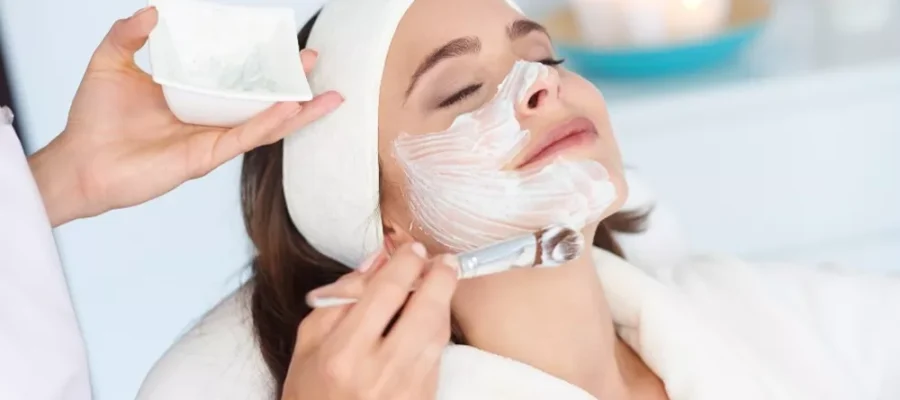
Skin Care: Professional Treatments for Healthy, Radiant Skin
Skin care supports the skin’s protective barrier, hydration and overall appearance. A suitable routine can help manage dryness, excess oil and uneven texture while protecting against environmental damage.
Professional skin care can complement daily care by assessing individual concerns and selecting appropriate treatments. The approach should reflect skin type, sensitivity, existing conditions and personal goals rather than following the same routine for everyone.
At Dr. Hüseyin Kandulu’s clinic, treatment planning considers the patient’s skin characteristics and aesthetic concerns. The aim is to support healthier-looking skin with realistic expectations about what each treatment can achieve.
What Is Skin Care?
Skin care includes daily habits and professional treatments used to maintain the condition of the skin. Basic care involves gentle cleansing, moisturising and sun protection.
Professional care may include selected exfoliation, hydration and other treatments for specific concerns. The products and techniques used should be appropriate for the skin’s condition.
Healthy skin naturally has pores, texture and occasional changes. Effective care does not require a poreless or completely flawless appearance.
Why Is Skin Care Important?
The skin acts as a protective barrier and helps limit moisture loss. Sun exposure, irritating products and environmental conditions can affect its function and appearance.
An appropriate routine can remove surface residue, support hydration and reduce unnecessary irritation. Professional assessment can also help identify when a concern requires medical treatment rather than a cosmetic facial.
The goal is consistent, suitable care. More products, stronger exfoliation or more frequent appointments do not automatically produce better results.
What Concerns Can Professional Skin Care Address?
Depending on the treatment, professional care may help with:
- Dryness, tightness or dehydration.
- Dull-looking skin.
- Uneven surface texture.
- Excess oil and congestion.
- Blackheads and the appearance of prominent pores.
- Fine lines made more visible by dryness.
- Selected pigmentation concerns.
- Changes associated with sun exposure and ageing.
Persistent acne, eczema, rosacea or unexplained skin changes may require a dermatological assessment. Cosmetic care should complement appropriate medical treatment rather than replace it.
What Is Professional Skin Care?
Professional skin care begins with an assessment of the skin and a discussion of current products, previous treatments and desired improvements.
The practitioner considers hydration, oiliness, sensitivity, texture and pigmentation before recommending a suitable approach.
A session may involve cleansing, selected exfoliation and moisturising or soothing products. Additional procedures should be explained individually, including their purpose, expected results and recovery requirements.
Professional care is optional for many people. A consistent home routine may be sufficient when there are no concerns requiring additional treatment.
What Does Medical Skin Care Mean?
“Medical skin care” is a broad term rather than the name of one standard procedure. It may describe care planned in a clinical setting or treatment directed at a diagnosed skin concern.
The term alone does not explain which products or techniques will be used. Patients should receive a clear description of the proposed treatment and the qualifications of the person performing it.
A cleansing facial is different from prescription treatment, a chemical peel or another procedure that affects deeper layers of the skin. Benefits, risks and aftercare vary accordingly.
Who Is Suitable for Professional Skin Care?
Professional care may be considered by adults who want advice about their routine or treatment for a specific cosmetic concern.
Suitability depends on the proposed procedure and the skin’s current condition. The assessment should consider:
- Skin type and sensitivity.
- Active irritation, infection or inflammatory skin conditions.
- Current medicines and topical treatments.
- Allergies or previous product reactions.
- Recent peels, laser treatments or other aesthetic procedures.
- A tendency to develop pigmentation after irritation.
- Pregnancy or breastfeeding where relevant to product selection.
Some treatments may need to be modified or postponed until the skin has recovered.
How Is a Skin Care Treatment Planned?
Planning starts with identifying the main concern. Dryness, acne, pigmentation and skin laxity require different approaches and should not be treated as the same problem.
The consultation reviews the existing routine and whether any products are contributing to irritation. Lifestyle, sun exposure and previous treatment responses are also relevant.
The plan should explain what improvement is realistic, whether a course of treatment is appropriate and how home care will support the result.
What Happens During a Professional Skin Care Session?
The steps vary according to the selected treatment. A gentle facial care session may include:
- Assessment of the skin and confirmation of the treatment plan.
- Cleansing to remove makeup, surface oil and residue.
- Exfoliation when suitable for the skin.
- Selected treatment of congestion where appropriate.
- Application of moisturising or soothing products.
- Sun protection and individual aftercare advice.
Not every skin needs exfoliation, extraction or a mask. Steam and heat are also unnecessary for many treatments and can irritate some sensitive skin conditions.
Pores do not open and close like doors. Treatment should focus on reducing congestion and supporting the surrounding skin rather than promising to open, close or eliminate pores.
Skin Care for Different Skin Types
Normal Skin
Normal skin generally benefits from a simple routine that maintains comfort and hydration. Gentle cleansing, moisturising as needed and sun protection may be sufficient.
Additional products should address a clear concern rather than add unnecessary complexity.
Dry Skin
Dry skin may feel tight, rough or flaky. Care should focus on reducing moisture loss and avoiding products that strip the skin.
A suitable moisturiser and gentle cleansing can support comfort. Persistent cracking, itching or inflammation may need medical assessment.
Oily Skin
Oily skin still needs hydration. Repeated washing or harsh products can irritate the skin without providing lasting control of oiliness.
Lightweight, non-comedogenic products may be useful. Cleansing should remove excess surface oil without leaving the skin sore or tight.
Combination Skin
Combination skin has different needs across the face. The forehead, nose and chin may be oilier while the cheeks are drier.
Product use can be adjusted by area instead of applying the same intensive treatment everywhere.
Sensitive Skin
Sensitive skin may react with stinging, burning or redness. A simple routine with well-tolerated products is usually preferable.
Sensitivity can coexist with dry or oily skin and may also reflect an underlying condition. Persistent symptoms should be assessed before adding active treatments.
Acne-Prone Skin
Acne-prone skin benefits from gentle care and products selected to avoid unnecessary irritation or pore blockage.
Acne is not simply caused by dirty skin. Scrubbing, squeezing and repeated cleansing can make inflammation worse.
Professional care may support an acne treatment plan, but persistent, painful or scarring acne needs medical management.
Skin Hydration and Barrier Support
Dehydration refers to reduced water content in the skin and can occur even when the skin is oily. Dryness also involves the skin’s natural oils and barrier function.
Appropriate moisturising products can improve comfort and soften the appearance of superficial dryness lines. This does not mean that they remove deeper wrinkles.
Drinking enough water supports general health, but drinking extra water is not a substitute for topical care when the skin barrier is irritated or dry.
Does Skin Care Help with Blackheads?
Blackheads form when a follicle becomes blocked with oil and dead skin cells. Their dark colour is not simply trapped surface dirt.
Appropriate products and selected professional techniques may help manage congestion. Extraction, when suitable, should be performed carefully because excessive pressure can cause injury, inflammation or pigmentation.
Blackheads may recur, so ongoing care matters more than attempting to remove every visible pore in one appointment.
Can Skin Care Treat Acne?
A suitable routine can support acne management by limiting irritation and helping patients tolerate treatment.
However, a facial alone is not a complete treatment for every type of acne. The approach depends on the severity, lesion type and contributing factors.
Painful nodules, scarring or persistent breakouts should be assessed by a dermatologist. Avoid picking or squeezing spots, which can increase the risk of scars and dark marks.
Can Skin Care Improve Uneven Pigmentation?
Treatment depends on the cause of the pigmentation. Sun-related marks, melasma and post-inflammatory darkening do not always respond to the same approach.
Basic cleansing and moisturising can improve skin condition but should not be presented as treatments that reliably remove pigmentation.
Targeted products or procedures may be considered after assessment. Irritating treatment can worsen pigmentation, particularly in skin prone to dark marks after inflammation.
A new or changing pigmented lesion should be medically assessed before cosmetic treatment.
Skin Care for Ageing Skin
Ageing and cumulative sun exposure can affect skin hydration, elasticity and texture.
Moisturising may make superficial lines less noticeable, while specific evidence-based treatments can address selected concerns. The effectiveness and suitability of these treatments vary.
A routine facial should not be described as equivalent to a procedure designed to stimulate collagen or tighten deeper tissues. Skin care cannot stop ageing or reproduce the effects of surgery.
The aim is to improve skin quality in a way that suits the patient’s preferences and tolerance.
Skin Care and Sun Protection
Ultraviolet exposure contributes to premature ageing and uneven pigmentation. Sun protection is therefore an important part of daily care and treatment maintenance.
Use a broad-spectrum sunscreen with SPF 30 or higher. When outdoors, choose water resistance where needed, reapply according to the instructions and after swimming or sweating, and combine sunscreen with shade and protective clothing.
Certain treatments temporarily increase sensitivity, so their specific sun-exposure restrictions should be followed.
Professional treatment cannot compensate for repeated unprotected sun exposure.
How Should You Care for Your Skin at Home?
A practical routine begins with a few steps suited to the skin:
- Cleanse gently to remove makeup, sweat and surface residue.
- Use a moisturiser appropriate for dryness, oiliness and sensitivity.
- Apply suitable sun protection during the day.
- Use targeted products only when they address a specific concern.
- Avoid introducing several potentially irritating products at once.
Follow instructions for prescribed products. After a professional procedure, temporarily changing the routine may be necessary.
Exfoliation is not essential for everyone. Its type and frequency should depend on skin tolerance and other products already in use.
How Often Should Professional Skin Care Be Performed?
There is no universal schedule. Frequency depends on the treatment, skin condition and response.
Some patients need occasional assessment and routine advice, while others may follow a planned series of treatments. More frequent care is not automatically better for oily or congested skin.
The skin should have enough time to recover between procedures. Persistent redness, dryness or stinging may indicate that the plan needs adjustment.
Recovery and Aftercare
A gentle facial may involve little downtime. More intensive exfoliation or other rejuvenation procedures can cause temporary redness, sensitivity or peeling.
Aftercare may include:
- Using a gentle cleanser and suitable moisturiser.
- Following the recommended sun protection plan.
- Avoiding scrubs or active products until permitted.
- Not picking at peeling skin or treated areas.
- Following individual advice about makeup, heat and exercise.
Severe burning, blistering, increasing swelling or persistent irritation should be reported. These should not be dismissed as signs that a treatment is working.
How Long Do Skin Care Results Last?
Hydration-focused care may produce a relatively quick change in comfort and surface appearance. Targeted treatments for other concerns may take longer.
The duration of improvement depends on the procedure, underlying condition, sun exposure and home routine. No single facial permanently prevents dryness, acne, pigmentation or ageing.
Treatment should be reviewed according to the response rather than continued automatically without reassessment.
Can Skin Care Be Combined with Other Aesthetic Procedures?
Skin care may support a broader treatment plan, but the combination and timing need to be appropriate.
Recent surgery, injections, peels or energy-based procedures may change what can safely be applied to the skin. Additional exfoliation or manipulation should not be assumed to be suitable immediately afterwards.
The clinician should coordinate the plan to avoid unnecessary irritation and allow adequate healing.
Skin Care in Turkey
Patients considering professional skin care in Turkey should ask what the proposed session includes and who will perform it.
The assessment should explain expected benefits, product or device selection, possible reactions and aftercare. Treatment availability should be confirmed rather than assumed from a general service description.
For patients travelling from abroad, holiday activities and anticipated sun exposure may affect treatment timing. A procedure with peeling or downtime may require different planning from a gentle hydration-focused session.
Skin Care Turkey Prices 2026
Prices depend on the type of treatment, products or devices used, appointment length and whether several sessions are recommended.
A quotation should clarify what is included and whether consultation, follow-up or home-care products are charged separately.
Contact the clinic for an assessment and current pricing based on the proposed treatment.
Frequently Asked Questions
At what age should skin care begin?
Basic cleansing, moisturising when needed and age-appropriate sun protection can begin early. Children and teenagers do not need adult anti-ageing routines or intensive cosmetic treatments without a specific indication.
Is redness normal after a facial?
Brief mild redness may occur after some treatments, but it is not required for a successful result. Persistent redness, significant pain or worsening irritation should be assessed.
Can I apply makeup immediately afterwards?
This depends on the treatment and whether the skin barrier has been disturbed. Follow the practitioner’s instructions rather than applying a fixed waiting period to every procedure.
Can skin care eliminate pores?
No. Pores are part of normal skin anatomy. Managing congestion and oiliness may make them less noticeable, but they cannot be permanently removed through a facial.
How long does a session take?
Duration depends on the assessment and procedures included. The clinic can provide an estimate after confirming the treatment plan.
Can skin care be performed in every season?
Basic care can continue throughout the year. Some procedures require stricter sun avoidance or recovery planning, so their timing should reflect expected exposure and lifestyle.
Does skin care thin the skin?
Gentle care is not intended to thin the skin. Excessive exfoliation or irritating combinations can damage the barrier, while more intensive procedures have their own effects and must be assessed individually.
Are breakouts after treatment always skin purging?
No. New spots may reflect irritation, pore-clogging products, folliculitis or an acne flare. Certain active treatments can cause an initial acne flare, but every breakout should not be labelled as purging or a necessary cleansing stage.
Is skin care suitable for men?
Yes. Care is selected according to skin condition rather than gender. Shaving-related irritation, dryness, congestion and sun exposure can all be considered during assessment.
Can sensitive skin receive professional treatment?
Sometimes, but products and techniques need careful selection. Active inflammation or unexplained reactions may need medical assessment before cosmetic care.
A Personalised Approach to Skin Care
Effective care combines an understanding of the skin with suitable products, realistic treatment goals and consistent daily habits.
A consultation at Dr. Hüseyin Kandulu’s clinic can help identify the main concerns, review the current routine and discuss appropriate professional options.
The plan should support skin comfort and appearance without unnecessary treatment or promises of flawless results.