
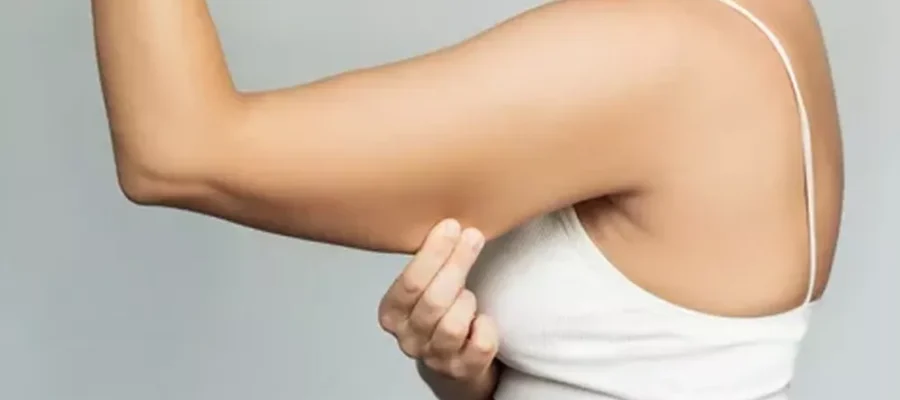
Arm Lift Operation
An arm lift operation, medically known as brachioplasty, reshapes the upper arms by removing excess skin and, where appropriate, reducing localized fat. It may be considered when aging, weight fluctuations or significant weight loss have left loose tissue that does not improve sufficiently with exercise.
The procedure focuses on creating a smoother contour between the armpit and elbow while maintaining natural proportions. Depending on the distribution of excess tissue, treatment may involve skin removal alone or a combination of skin removal and liposuction.
An arm lift is a body-contouring procedure rather than a weight-loss treatment. Suitability depends on skin laxity, fat distribution, general health and the patient’s willingness to accept the resulting scars.
What Is an Arm Lift Operation?
An arm lift operation addresses loose skin and tissue along the underside of the upper arm. The extent of correction varies from limited treatment near the armpit to a longer incision extending toward the elbow.
Brachioplasty may address:
- Hanging upper-arm skin
- Excess skin after significant weight loss
- Age-related skin laxity
- Localized fat combined with loose skin
- Poorly defined upper-arm contours
- Excess tissue around the armpit
- Skin folds associated with friction or irritation
The aim is to improve contour by treating the underlying anatomical concern. Removing fat alone may not be sufficient when substantial redundant skin is present.
Why Does Upper-Arm Skin Become Loose?
Significant Weight Loss
Substantial weight loss can leave skin that no longer contracts fully around the smaller arm.
This may occur after bariatric surgery or weight loss achieved through lifestyle changes. The amount of remaining skin depends on previous tissue stretching, skin quality and individual healing characteristics.
Aging
Skin gradually loses elasticity with age. Changes in collagen, elastin and underlying soft tissue can contribute to a less defined upper-arm contour.
The degree of laxity differs between individuals and does not necessarily reflect poor fitness or inadequate exercise.
Weight Fluctuations
Repeated weight gain and loss can stretch the skin. Over time, the tissue may become less able to retract after a reduction in volume.
Genetics and Skin Quality
Some people naturally have thinner skin or a greater tendency to develop laxity. Loose upper-arm skin can therefore occur even in people who maintain a stable weight and exercise regularly.
Can Exercise Tighten Loose Arm Skin?
Exercise can improve muscle strength, definition and general fitness. Weight management may also reduce excess body fat.
However, exercise cannot remove substantial redundant skin. A person may have well-developed upper-arm muscles and still have loose tissue hanging beneath them.
This distinction helps determine the most appropriate approach. Localized fat with good skin elasticity may be suitable for liposuction, while significant skin excess may require surgical removal to achieve the desired correction.
Surgery remains a personal choice rather than a requirement for everyone with loose arm skin.
Arm Lift vs. Arm Liposuction
Arm lift surgery and liposuction treat different components of upper-arm fullness.
Arm Liposuction
Liposuction removes selected deposits of subcutaneous fat. It may be appropriate when skin elasticity is sufficient and excess fat is the main concern.
It does not remove redundant skin. If the skin is significantly loose, reducing fat alone may leave persistent or more noticeable laxity.
Arm Lift Surgery
Brachioplasty removes excess skin and reshapes the remaining tissues. It may be more appropriate when hanging skin is the main concern.
The improvement in contour must be considered alongside the length and visibility of the surgical scar.
Combined Treatment
Some patients have both excess fat and loose skin. Carefully planned liposuction may be incorporated into an arm lift to address both concerns.
The decision depends on skin quality, tissue thickness, fat distribution and the extent of the planned correction.
Who Is Suitable for an Arm Lift?
An arm lift may be considered for adults with significant upper-arm laxity who are medically suitable for elective surgery.
Potential candidates generally have:
- Persistent loose skin on the upper arms
- A relatively stable body weight
- Realistic expectations about contour improvement
- An understanding of the expected scars
- No uncontrolled condition that substantially increases surgical risk
- The ability to follow postoperative instructions
- Practical support during recovery
The procedure may be suitable for women and men. Age alone does not determine eligibility.
Smoking, nicotine use, medical conditions, previous surgery and wound-healing history must be reviewed before treatment is planned.
Arm Lift After Major Weight Loss
Major weight loss can leave excess skin in several areas, including the arms, abdomen, breasts, back and thighs.
Upper-arm skin may hang noticeably when the arms are raised or create folds near the armpit. In these cases, reducing additional fat may not address the main concern.
Brachioplasty removes selected redundant tissue to improve the relationship between the arm, shoulder and torso.
Patients should generally reach a stable weight before proceeding. Following bariatric surgery, nutritional status and any deficiencies also require attention because they can affect healing.
An arm lift may be part of a wider body-contouring plan, but other procedures may need to be performed separately.
Types of Arm Lift Operation
Traditional Arm Lift
A traditional arm lift uses an incision along the inner or back portion of the upper arm.
For extensive laxity, the incision may extend from the armpit toward the elbow. Its length is determined by the amount and location of skin that requires removal.
This approach allows correction across a larger area than a limited-incision technique.
Mini Arm Lift
A mini or limited arm lift may be considered when excess skin is relatively mild and concentrated near the armpit.
Although the scar may be shorter, the amount of correction is also limited. This technique cannot reliably address extensive loose skin along the full upper arm.
Extended Arm Lift
After significant weight loss, excess tissue may continue from the upper arm across the armpit and onto the side of the chest.
An extended arm lift may be required to address this transition. The incision is longer because the area being corrected is larger.
The technique should match the anatomy rather than be chosen solely to obtain the shortest possible scar.
Consultation Before Arm Lift Surgery
A detailed consultation identifies which tissues are responsible for the arm’s appearance and establishes realistic treatment goals.
The examination may assess:
- The amount and distribution of loose skin
- Skin elasticity
- Fat distribution
- Muscle definition
- Differences between the arms
- Tissue around the armpit and lateral chest
- Existing scars
- Previous weight changes
- Previous arm, breast or body-contouring procedures
Medical history, medications, supplements, allergies and smoking status should also be discussed.
Patients should understand where the incision is likely to be placed, how visible the scar may remain and whether liposuction is recommended.
Photographs can support planning, but they do not replace a physical examination.
Preparing for an Arm Lift Operation
Preparation depends on medical history and the planned extent of surgery.
The surgical team may request blood tests or additional assessment. Patients should disclose all medications and supplements and make changes only according to medical advice.
Smoking and nicotine use can impair healing. Specific instructions should be followed before and after surgery.
Practical preparation may include:
- Arranging transport after discharge
- Organizing help with household tasks and childcare
- Planning time away from work
- Preparing clothing that is easy to put on without straining the arms
- Confirming follow-up appointments
- Understanding wound-care and garment instructions
If further significant weight loss is planned, postponing surgery may allow a more stable treatment plan.
How Is an Arm Lift Operation Performed?
1. Surgical Markings
Before surgery, the surgeon marks the areas of skin excess and the proposed incision pattern.
The markings account for arm position, tissue movement and the intended contour.
2. Anesthesia
General anesthesia is commonly used for brachioplasty. The appropriate anesthesia plan depends on the extent of treatment and the patient’s health.
The options and relevant risks are discussed before surgery.
3. Skin Removal and Contouring
The incision is made according to the planned technique. Excess skin and selected underlying tissue are removed.
Liposuction may be used when localized fat contributes to fullness. It is not automatically required in every case.
Supportive tissues may also be reshaped or tightened where appropriate.
4. Closure
The remaining skin is repositioned and the incision is closed, usually in layers.
The amount of tissue removed must allow a smoother contour without excessive tension on the wound.
Dressings or compression garments may be applied. Temporary drains may be used in selected cases.
5. Postoperative Monitoring
The patient is monitored after anesthesia. Discharge timing depends on the operation, recovery and whether additional procedures were performed.
Some patients may need an overnight stay or further observation.
How Long Does Arm Lift Surgery Take?
Operating time depends on the amount of skin removal, whether liposuction is included and whether the incision extends onto the side of the chest.
Treating both arms or combining brachioplasty with another procedure also affects duration.
An estimated operating time and expected hospital stay should be provided after the surgical plan is established.
Can an Arm Lift Be Combined with Other Procedures?
An arm lift may be considered alongside procedures such as:
- A tummy tuck
- A breast lift
- Breast reduction
- Liposuction
- A thigh lift
- Other body-lift procedures
Combining operations increases the extent of surgery and may make recovery more demanding.
The decision should consider medical history, expected operating time, blood-clot risk and the support available during healing.
A staged approach may be more appropriate than treating several areas during one operation.
Recovery After Arm Lift Surgery
Recovery varies according to the technique, tissue removal and individual healing.
Common early symptoms include:
- Swelling and bruising
- Tightness around the incisions
- Discomfort or tenderness
- Temporary numbness or altered sensation
- Reduced comfort with some arm movements
The surgical team provides instructions about dressings, any drains, prescribed garments and medication.
Arm positioning or elevation may be advised to help manage swelling. Garments should be used as directed rather than tightened or adjusted independently.
Daily Movement
Gentle movement should follow the postoperative plan. Activities that stretch the incisions or place excessive strain on the arms may need to be restricted.
Patients should not assume that feeling comfortable means the tissues are ready for heavy use.
Returning to Work
The timing depends on healing and the job’s physical demands.
Desk-based work may be possible earlier than work involving lifting, repetitive arm movements or manual labor.
Driving
Driving should resume only when movement is sufficient to control the vehicle safely, an emergency maneuver can be performed and medication does not impair alertness.
The surgical team should advise on readiness.
Exercise and Heavy Lifting
Strenuous upper-body exercise and heavy lifting need to wait until adequate healing has occurred.
Activity should increase gradually according to the surgeon’s assessment. Recovery instructions for the specific procedure take priority over general timelines.
When to Seek Medical Advice
Increasing pain, fever, spreading redness, wound discharge, sudden swelling or wound separation should be reported promptly.
Chest pain, sudden shortness of breath or other symptoms suggesting a blood clot require urgent medical assessment.
Scars After an Arm Lift Operation
Scarring is an important part of the decision to undergo brachioplasty.
For a traditional arm lift, the scar may extend from the armpit toward the elbow. An extended procedure can create a longer scar continuing onto the side of the chest.
Placement on the inner or back portion of the arm may reduce visibility from some angles, but the scar can still be noticeable, particularly when the arms are raised.
Scars mature gradually and may soften or fade. However, they do not disappear completely.
The final appearance depends on genetics, skin characteristics, wound tension, healing and postoperative care. Some patients develop widened, raised or otherwise unfavorable scars.
The expected contour improvement should be weighed against this permanent scar.
When Will Arm Lift Results Be Visible?
A change in contour may be noticeable soon after surgery, although swelling initially obscures the result.
As swelling decreases and the tissues settle, the shape becomes clearer. Scar maturation continues beyond the initial recovery period.
The surgeon will explain when it is appropriate to assess the result and whether any residual irregularity may improve with further healing.
How Long Do Arm Lift Results Last?
An arm lift can provide lasting improvement, especially when body weight remains stable.
However, the skin continues to age. Further laxity may develop over time, and significant weight gain or loss can alter the contour.
Surgery corrects existing skin excess; it does not permanently prevent future tissue changes.
Maintaining general health and following the treatment team’s advice can support recovery and help preserve the result.
Arm Lift Risks and Possible Complications
Brachioplasty carries potential surgical risks.
These include:
- Bleeding or hematoma
- Infection
- Seroma, or fluid collection
- Delayed wound healing
- Wound separation
- Temporary or persistent numbness
- Other changes in sensation
- Persistent pain
- Asymmetry or contour irregularities
- Unfavorable, widened or raised scars
- Injury to nerves or blood vessels
- Fat or skin tissue loss
- Blood clots
- Anesthesia-related complications
- The need for additional surgery
Individual risk depends on health, smoking status, previous surgery and the extent of correction.
Preoperative assessment and follow-up help manage risk but cannot guarantee a complication-free outcome.
Natural-Looking Upper-Arm Contouring
The aim is to improve the relationship between the upper arm, shoulder, elbow and torso.
Removing too little tissue may leave persistent laxity. Removing too much can create excessive wound tension or an unnatural contour.
The surgical plan should therefore balance tissue removal, skin support and scar placement.
Normal differences between the arms may remain. Perfect symmetry or a particular arm size cannot be guaranteed.
Arm Lift Operation in Turkey
International patients considering an arm lift operation in Turkey should plan for the full treatment and recovery process.
Important arrangements include:
- Review of medical history and treatment goals
- An in-person examination
- Confirmation of the technique and expected scars
- Preoperative investigations where needed
- Surgery and postoperative monitoring
- Follow-up and wound assessment
- Individual advice about return travel
- Access to further care after returning home
An initial remote consultation may support planning, but skin quality and tissue distribution need physical assessment.
Patients should allow sufficient time for early follow-up and arrange help with luggage and other tasks that may strain the arms.
Travel timing depends on healing, procedure extent and individual risk factors.
Arm Lift Operation Cost
The cost of an arm lift operation depends on the treatment required.
Relevant factors may include:
- Whether a limited, traditional or extended lift is needed
- The extent of skin removal
- Whether liposuction is included
- Anesthesia and operating time
- Facility and monitoring requirements
- Whether other procedures are performed
- Postoperative care and follow-up arrangements
An individual quotation should follow assessment. Patients should confirm what is included and how any additional care would be handled.
Contact the practice for current arm lift pricing based on the proposed surgical plan.
Frequently Asked Questions
Is an arm lift the same as brachioplasty?
Yes. Brachioplasty is the medical term for surgery that removes excess upper-arm skin and reshapes the surrounding tissues.
Can exercise remove hanging arm skin?
Exercise can strengthen muscles and improve fitness, but it cannot remove substantial redundant skin.
Will liposuction be enough?
It may be appropriate when excess fat is the main concern and skin elasticity is sufficient. Significant loose skin usually requires a different approach.
Can men have an arm lift?
Yes. Suitable adult patients of any gender may be assessed for brachioplasty.
Should I lose weight before surgery?
Patients should generally reach a stable, sustainable weight first. Further major weight loss may change the amount of skin requiring treatment.
Can I choose a mini arm lift to avoid a long scar?
A limited-incision procedure is suitable only for limited skin excess. It may leave substantial laxity untreated when a longer correction is needed.
Is an arm lift painful?
Anesthesia is used during surgery. Discomfort, tightness and tenderness may occur afterward and are managed according to the postoperative plan.
How long does the operation take?
Duration depends on the technique, amount of correction and any additional procedures. An estimate is provided during planning.
Will I need to stay in hospital?
This depends on the procedure and early recovery. Some patients may need overnight monitoring or a longer stay.
Will the scars disappear?
No. Scars may fade and soften, but they remain permanent and can be visible from certain angles.
When can I return to exercise?
Exercise resumes gradually after the surgeon confirms adequate healing. Heavy lifting and upper-body training generally require longer restrictions than light daily movement.
Can loose skin return after surgery?
Further laxity can develop with aging or significant weight changes. Stable weight helps preserve the contour.
Does an arm lift improve confidence?
Some patients feel more comfortable with their appearance after surgery, but changes in confidence or well-being cannot be guaranteed.
Can an arm lift be combined with other body-contouring surgery?
Sometimes. The combination depends on health, operating time and recovery requirements. Separate stages may be recommended.
Arm Lift Operation with Dr. Hüseyin Kandulu
An arm lift operation may be considered when persistent upper-arm skin excess is the main concern and cannot be adequately addressed through exercise or fat reduction alone.
A consultation with Dr. Hüseyin Kandulu provides an opportunity to assess skin laxity, fat distribution and the relationship between the arms and surrounding body contours.
The proposed plan should explain the suitable technique, incision placement, expected improvement, potential risks and recovery requirements.
Contact the practice to arrange an individual assessment for arm lift surgery in Turkey and discuss personalized treatment options and costs.