


What Is Fat Grafting in Turkey?
Fat grafting in Turkey is a cosmetic procedure where fat is taken from one area of the body and injected into another. This technique is widely used to enhance volume, improve contours, and achieve natural-looking results. Fat grafting in Turkey relies on the patient’s own fat, making it a biocompatible and safe option compared to synthetic fillers. The procedure is commonly preferred for both facial rejuvenation and body contouring. With advanced techniques and experienced surgeons, fat grafting in Turkey offers long-lasting and natural outcomes. It is especially popular among patients seeking minimally invasive aesthetic solutions with dual benefits of fat removal and enhancement.
Fat Grafting Areas in Turkey: Face, Breast, Butt, Hands, and More
Fat grafting in Turkey can be applied to multiple areas of the body depending on aesthetic goals. Common treatment areas include the face, breasts, buttocks, and hands, where fat grafting in Turkey helps restore lost volume and improve shape. In facial procedures, it enhances cheeks, lips, and under-eye areas. For the body, fat grafting in Turkey is frequently used in breast and butt augmentation for a more natural appearance. It can also rejuvenate aging hands by restoring fullness. The versatility of fat grafting in Turkey makes it a preferred option for various cosmetic needs. Each treatment plan is customized to achieve balanced and harmonious results.
Who Is a Good Candidate for Fat Grafting in Turkey?
Ideal candidates for fat grafting in Turkey are individuals with enough excess fat in donor areas and realistic expectations. Patients who prefer natural enhancement without implants often choose fat grafting in Turkey. Good skin quality and overall health are important factors for successful outcomes. Fat grafting in Turkey is also suitable for those looking to correct volume loss due to aging or weight changes. Candidates should maintain a stable weight to preserve results. A detailed consultation helps determine if fat grafting in Turkey is the right choice. Proper candidate selection increases satisfaction and long-term success.
Fat Grafting vs Fillers vs Implants in Turkey
Fat grafting in Turkey differs from fillers and implants in several important ways. While fillers provide temporary results, fat grafting in Turkey offers longer-lasting outcomes using the patient’s own tissue. Implants, on the other hand, provide more dramatic volume but involve foreign materials. Fat grafting in Turkey is often preferred for its natural feel and reduced risk of allergic reactions. However, not all transferred fat survives, which may require touch-up procedures. Each option has advantages depending on the desired result. Choosing between fat grafting in Turkey, fillers, or implants depends on individual goals and anatomy.
Fat Grafting Procedure Steps in Turkey
The process of fat grafting in Turkey follows a structured approach to ensure safe and effective results. First, fat grafting in Turkey begins with harvesting fat from donor areas using liposuction techniques. The collected fat is then purified and prepared for injection. In the final step, fat grafting in Turkey involves carefully injecting the processed fat into the target area. Precision is essential to achieve symmetry and natural contours. The entire procedure is typically completed within a few hours. Each stage of fat grafting in Turkey is designed to maximize fat survival and aesthetic success.
Liposuction for Fat Harvesting in Turkey: Donor Areas Explained
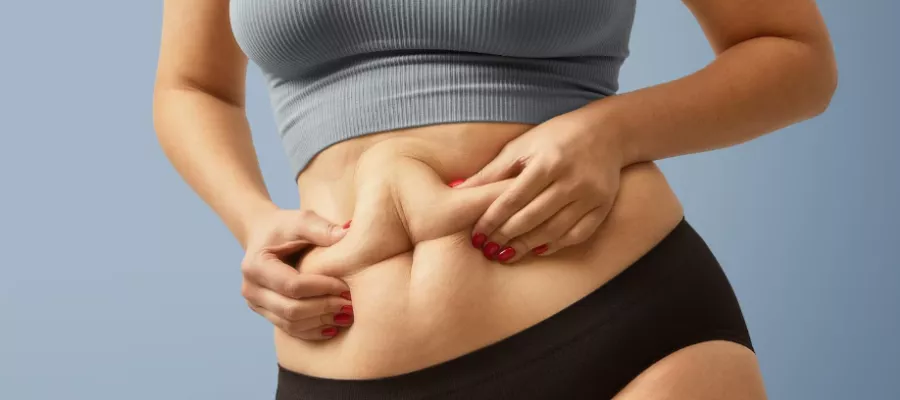
Fat grafting in Turkey requires fat harvesting from specific donor areas where excess fat is available. Common donor sites include the abdomen, flanks, thighs, and lower back. Liposuction is used in fat grafting in Turkey to gently remove fat while preserving cell viability. The choice of donor area depends on the patient’s body composition and desired outcome. Fat grafting in Turkey not only enhances target areas but also improves body contours in donor regions. This dual benefit makes the procedure highly appealing. Proper technique ensures the best quality fat for transfer.
Preparation Before Fat Grafting in Turkey
Preparation plays a crucial role in the success of fat grafting in Turkey. Patients are advised to stop smoking and avoid alcohol before undergoing fat grafting in Turkey. Certain medications may need to be discontinued to reduce risks. Pre-operative evaluations ensure the patient is fit for the procedure. Following medical advice helps improve fat survival and recovery outcomes. Patients should also plan adequate rest after fat grafting in Turkey. Proper preparation contributes to smoother procedures and better results.
Recovery Timeline After Fat Grafting in Turkey
Recovery after fat grafting in Turkey varies depending on the treated areas and individual healing response. Mild swelling and bruising are common in the first few days after fat grafting in Turkey. Most patients can return to normal daily activities within a week. Compression garments may be recommended to support healing in donor areas. Over time, the transferred fat stabilizes and results become more visible. Final outcomes of fat grafting in Turkey typically appear within a few months. Following post-procedure instructions ensures optimal healing and long-lasting results.
How to Choose a Surgeon and Clinic for Fat Grafting in Turkey
Choosing the right provider for fat grafting in Turkey is essential because technique directly affects safety and long-term results. An experienced plastic surgeon should have proven expertise specifically in fat grafting in Turkey, not just general cosmetic procedures. Reviewing before-and-after photos helps evaluate whether the results look natural and balanced. Clinics offering fat grafting in Turkey should follow strict hygiene standards and operate in accredited medical facilities. It is also important to understand how the fat is processed and injected, as proper technique improves fat survival. A detailed consultation should explain risks, recovery, and expected outcomes clearly. Choosing a qualified team ensures safer procedures and more predictable fat grafting in Turkey results.
Fat Grafting Turkey Prices 2026
Fat grafting Turkey prices in 2026 vary depending on the treatment area, surgeon experience, and clinic standards. On average, fat grafting in Turkey ranges between $2,000 and $7,000, depending on whether the procedure involves the face, breast, or buttocks. Larger areas require more fat harvesting and longer operating time, which increases fat grafting in Turkey costs. Prices may also vary based on anesthesia type, facility quality, and post-procedure care. Despite these differences, fat grafting in Turkey remains a cost-effective option compared to many countries. A personalized consultation is necessary to determine the exact cost based on individual needs and goals.
Frequently Asked Questions
How much of the transferred fat survives after fat grafting in Turkey?
Not all injected fat survives after fat grafting in Turkey, and some level of absorption is expected. Typically, fat grafting in Turkey results in around 50% to 70% of the transferred fat remaining long term. The survival rate depends on factors such as surgical technique, blood supply, and patient lifestyle. During fat grafting in Turkey, surgeons inject fat in small amounts to increase survival. Smoking, poor aftercare, or significant weight changes can reduce fat retention. The remaining fat that survives becomes a permanent part of the tissue. Proper care and technique significantly improve fat grafting in Turkey outcomes.
How many fat grafting sessions are needed in Turkey?
The number of sessions required for fat grafting in Turkey depends on the desired volume and treatment area. In many cases, fat grafting in Turkey can be completed in a single session with satisfactory results. However, some patients may require additional sessions to achieve more volume or correct minor irregularities. This is because not all transferred fat survives after fat grafting in Turkey. Follow-up procedures may be planned once initial results stabilize. The treatment plan is personalized based on patient expectations and body response. Multiple sessions can improve overall fat grafting in Turkey outcomes.
How long do I need to stay in Turkey for fat grafting?
The required stay for fat grafting in Turkey is relatively short compared to major surgeries. Most patients undergoing fat grafting in Turkey stay between 5 to 7 days. This allows time for consultation, the procedure, and early follow-up checks. Since fat grafting in Turkey is minimally invasive, extended hospitalization is usually not required. Doctors monitor the healing process before approving travel. Staying for the recommended duration helps ensure safety and better recovery. Proper planning supports successful fat grafting in Turkey results.
When will I see final results after fat grafting in Turkey?
Results from fat grafting in Turkey develop gradually over time. Initial volume is visible immediately after fat grafting in Turkey, but some of this will decrease as the body absorbs part of the fat. Final results typically become noticeable within 2 to 4 months. During this period, the surviving fat stabilizes and integrates into the tissue. Swelling also subsides, allowing a clearer view of outcomes. Fat grafting in Turkey provides natural-looking improvements as the process progresses. Patience is important for evaluating final results.
Is fat grafting in Turkey permanent?
Fat grafting in Turkey provides long-lasting results, especially for the fat that successfully survives. Once the transferred fat establishes blood supply, it becomes a permanent part of the body. However, fat grafting in Turkey results can still be affected by weight changes and aging. Maintaining a stable weight helps preserve the outcome. Some volume loss may occur in the early months, but the remaining fat is generally permanent. With proper care, fat grafting in Turkey offers durable and natural results.
Can fat grafting in Turkey be combined with liposuction, facelift, or breast surgery?
Fat grafting in Turkey is often combined with other procedures to enhance overall results. Since fat is harvested using liposuction, fat grafting in Turkey naturally includes body contouring benefits. It can also be combined with facelift procedures to restore facial volume and improve rejuvenation results. In breast surgery, fat grafting in Turkey can be used alongside implants for a more natural contour. Combining procedures reduces overall recovery time compared to separate surgeries. Suitability depends on patient health and goals. A proper evaluation helps determine the best combination plan for fat grafting in Turkey.
